Your website can get traffic every day and still fail.
A few clicks, a little scrolling, then gone. No inquiry. No booking. No quote request. Just digital tumbleweed rolling through your analytics.
That is the part many businesses miss.
Traffic is movement.
Conversion is direction.
And without direction, movement is just noise.
A lot of small business websites, startup landing pages, and freelancer portfolios are not failing because the product is bad. They fail because
the design does not guide people toward
trust or action.
The good news? Most of the damage is fixable.
Here are the five most common reasons visitors leave without contacting you, and what to fix first.
Your Message Is Clear to You, Not to Them
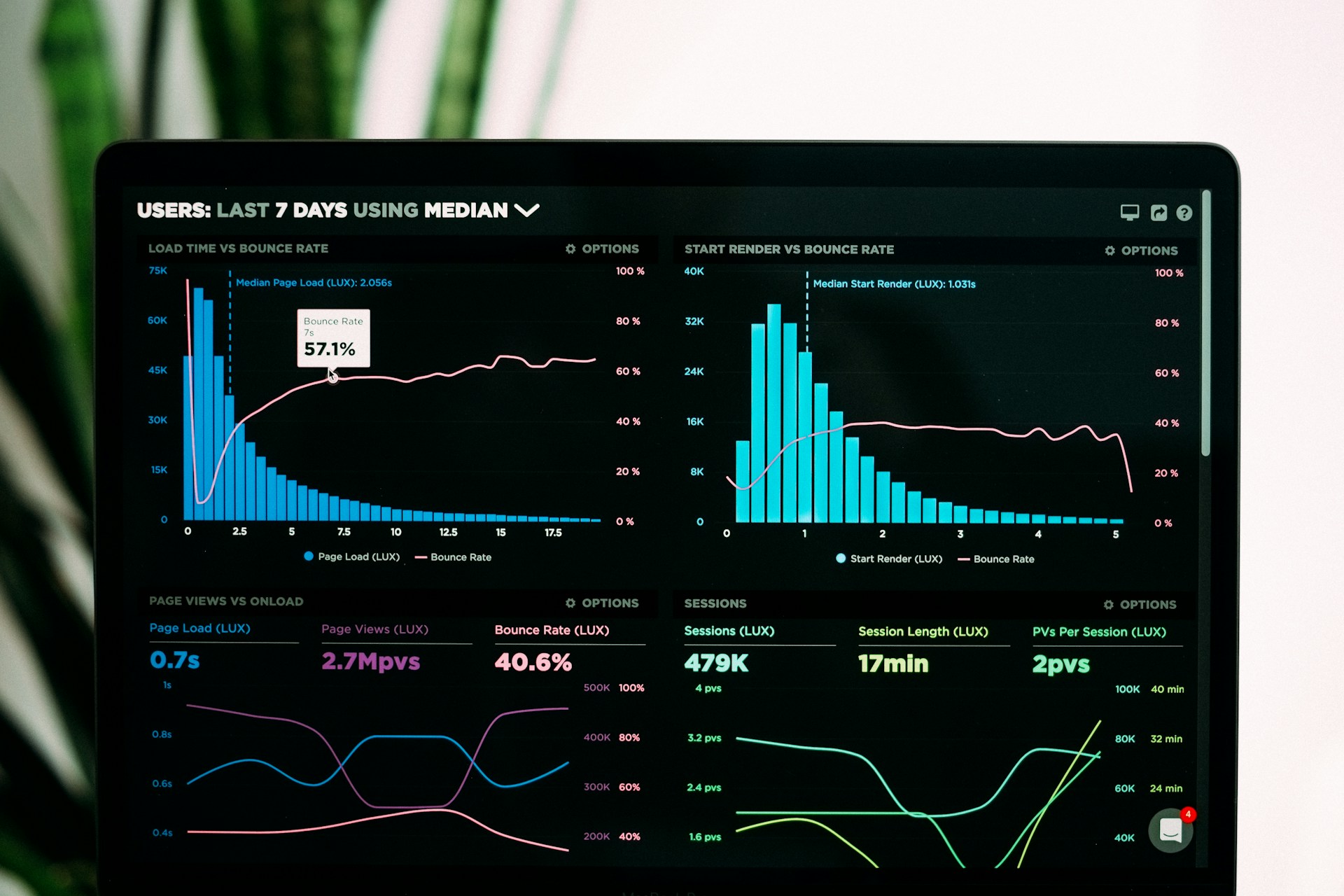
The biggest killer of conversions is confusion.
When someone lands on your homepage, they should understand three things within seconds:
what you do
who it is for
what they should do next
If that takes effort, you lose them.
A startup founder looking for investment support, a restaurant owner wanting more reservations, or a freelancer trying to impress potential clients all have the same problem when messaging is vague:
people bounce before trust has a chance to form.
A headline like “Creative Digital Solutions for Tomorrow”
sounds expensive and means absolutely nothing.
Say the real thing.
For a restaurant:
Reserve authentic Syrian fine dining in Breda
For a freelancer:
Motion design portfolios that help you land better clients
Clarity beats cleverness every time.
A surprising number of websites act weirdly shy about asking visitors to do something.
You scroll through a full homepage and by the end you still do not know whether they want you to book, email, order, call, or sacrifice a goat.
A website needs a single dominant action path.
For small businesses this is often:
request a quote
book a table
ask for availability
contact for inquiry
If every button says something different, users freeze.
For restaurants, this is especially brutal. If your Reserve Table button is smaller than your Instagram icon, your priorities need therapy.
Good design removes decision fatigue.
What to fix:
Use one clear CTA repeated through the page:
top section
middle proof section
final contact block
article inline CTA form

The Design Looks Good but Builds Zero Trust
Pretty is not the same as persuasive.
A sleek site with weak structure is like a luxury restaurant with no menu outside. Nice lighting, sure. Still not walking in.
People need fast trust signals.
This includes:
clear service descriptions
testimonials
recognizable clients or industries
portfolio previews
process steps
transparent contact options
professional typography and spacing
fast loading speed
Startups especially need this because visitors are already asking:
Are these people legit?
The design should answer before the question
finishes forming.
Freelancers run into this too. A beautiful portfolio without context is just visual wallpaper.
Explain what the work achieved, who it helped, or what problem it solved.
Your Website Feels
Like Work
Nobody wants to solve a puzzle to buy from you.
If users need to hunt for your menu, pricing, services, opening hours, or contact form, they leave.
Restaurants lose customers here constantly.
People do not want to read your origin story before they know where the reservation button is.
The same goes for startups and freelancers. If your portfolio is buried under six abstract sections about your philosophy, you are making the visitor work harder than necessary.
Good UX feels effortless because it removes friction before people notice it.
The best websites feel obvious.
That is not accidental. That is structure.
What to simplify
navigation
page hierarchy
service breakdown
mobile responsiveness
form length
image sizes
menu logic
Your Website Has No Momentum